
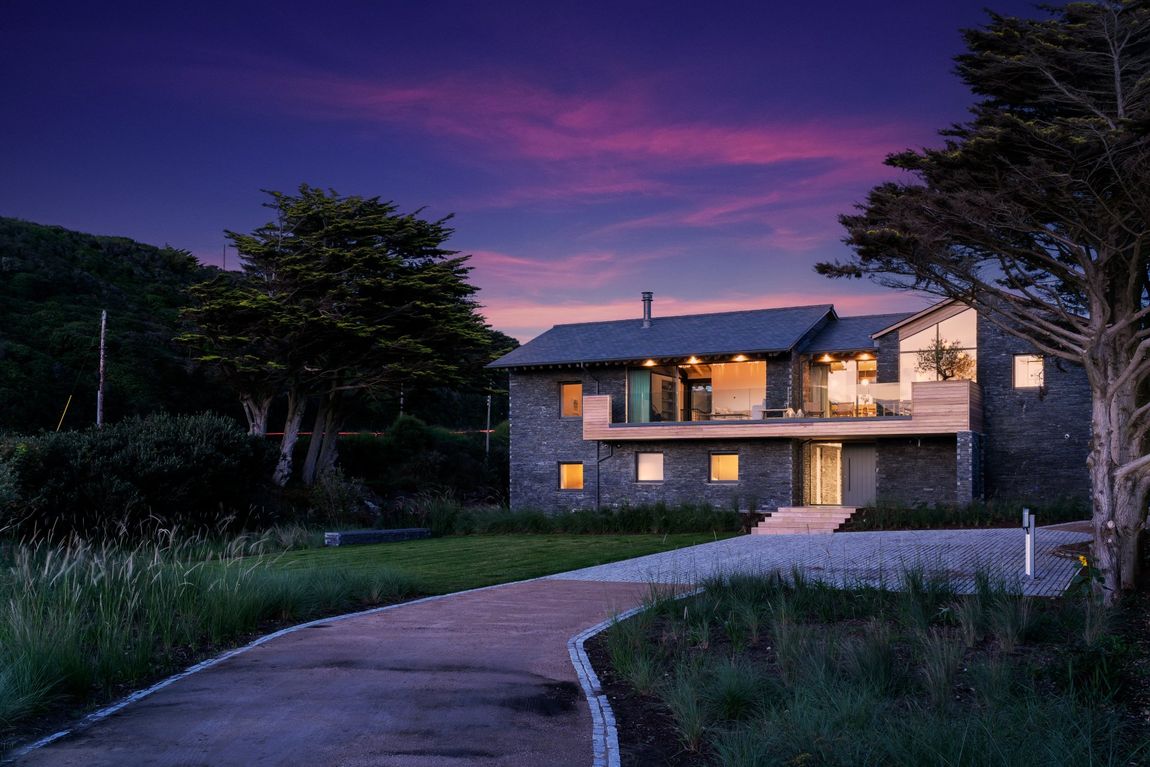
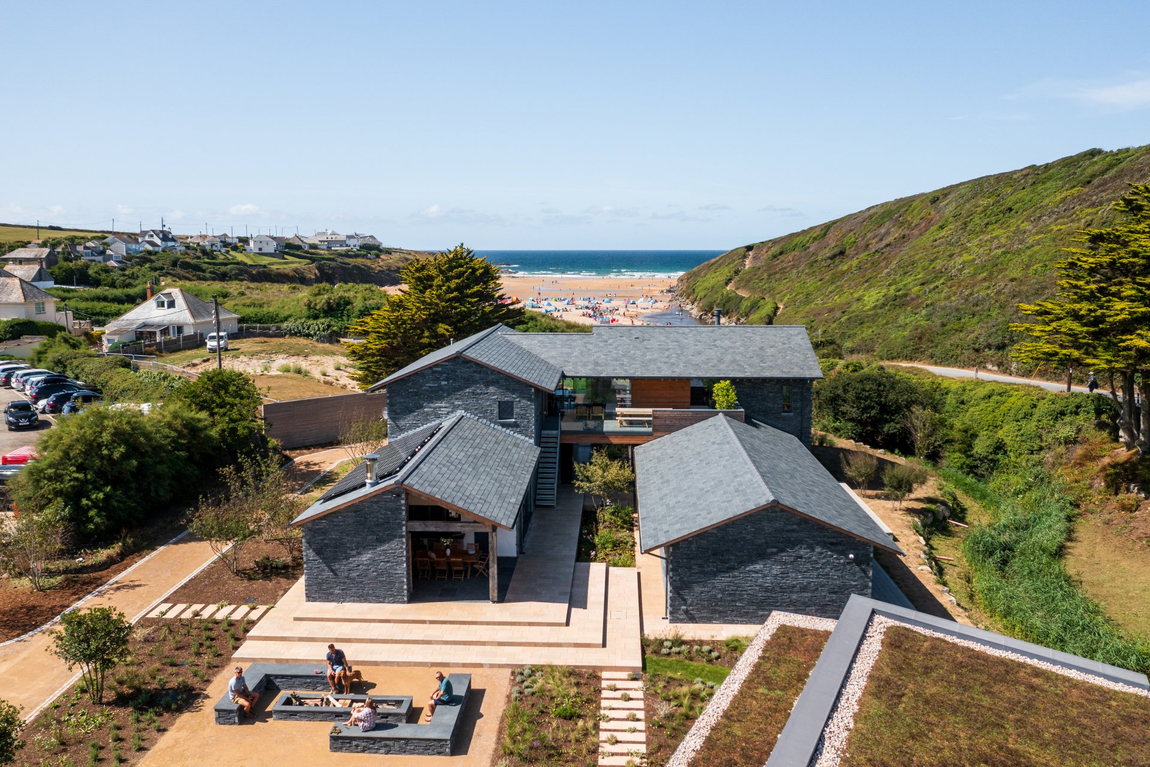
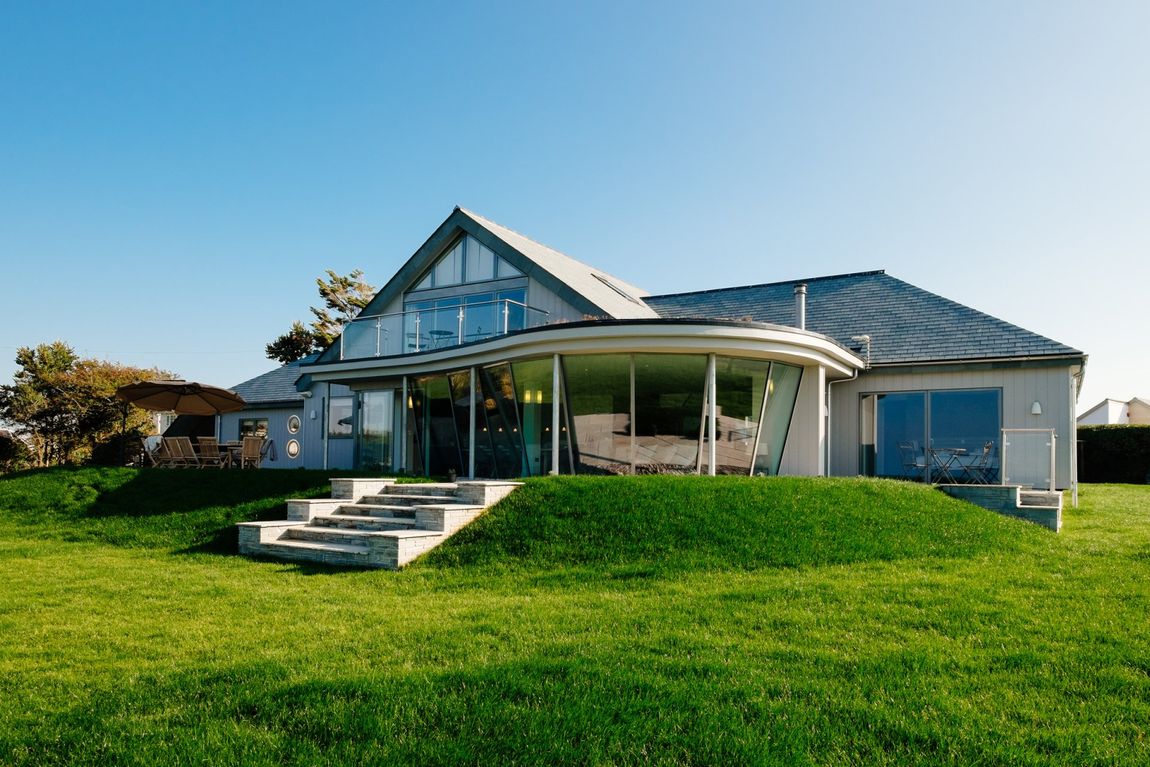
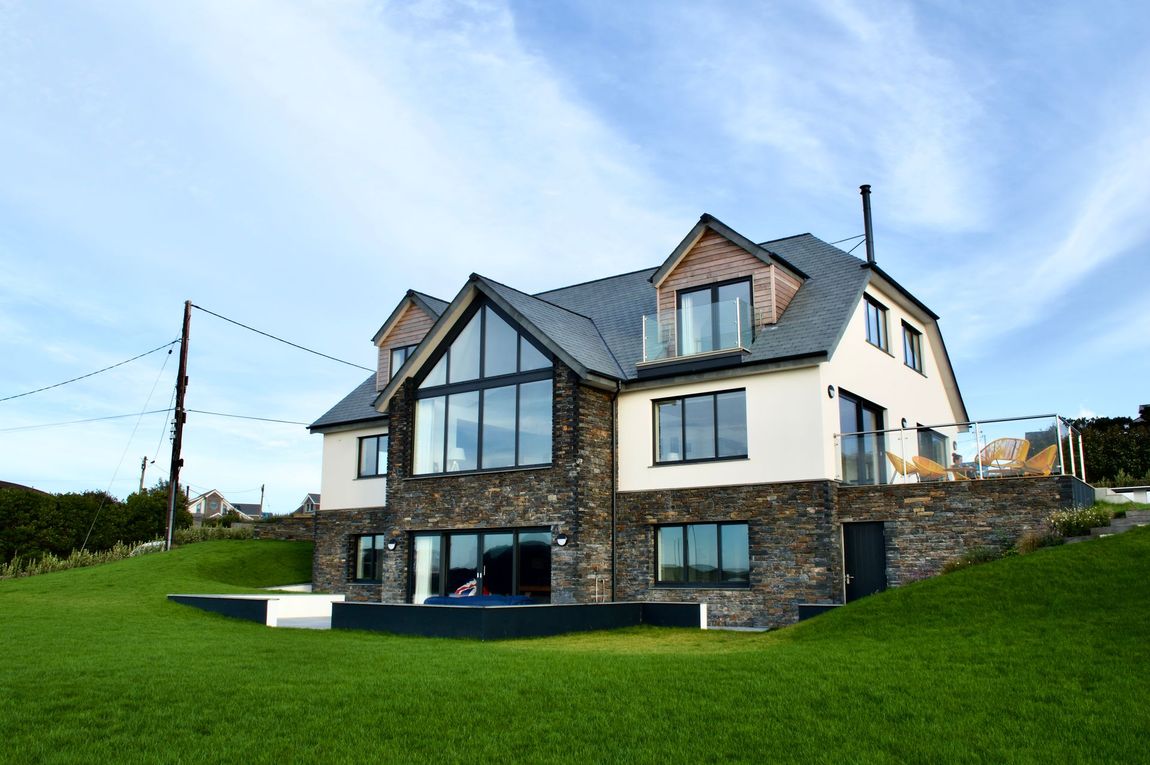
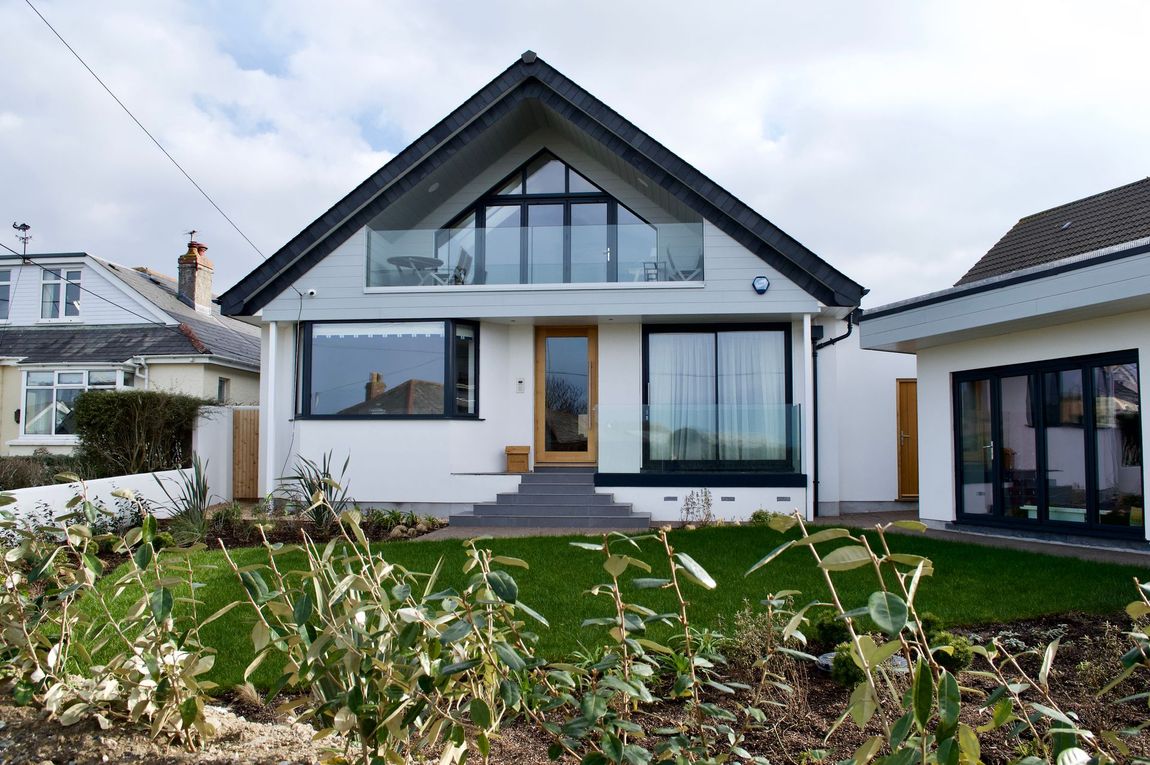
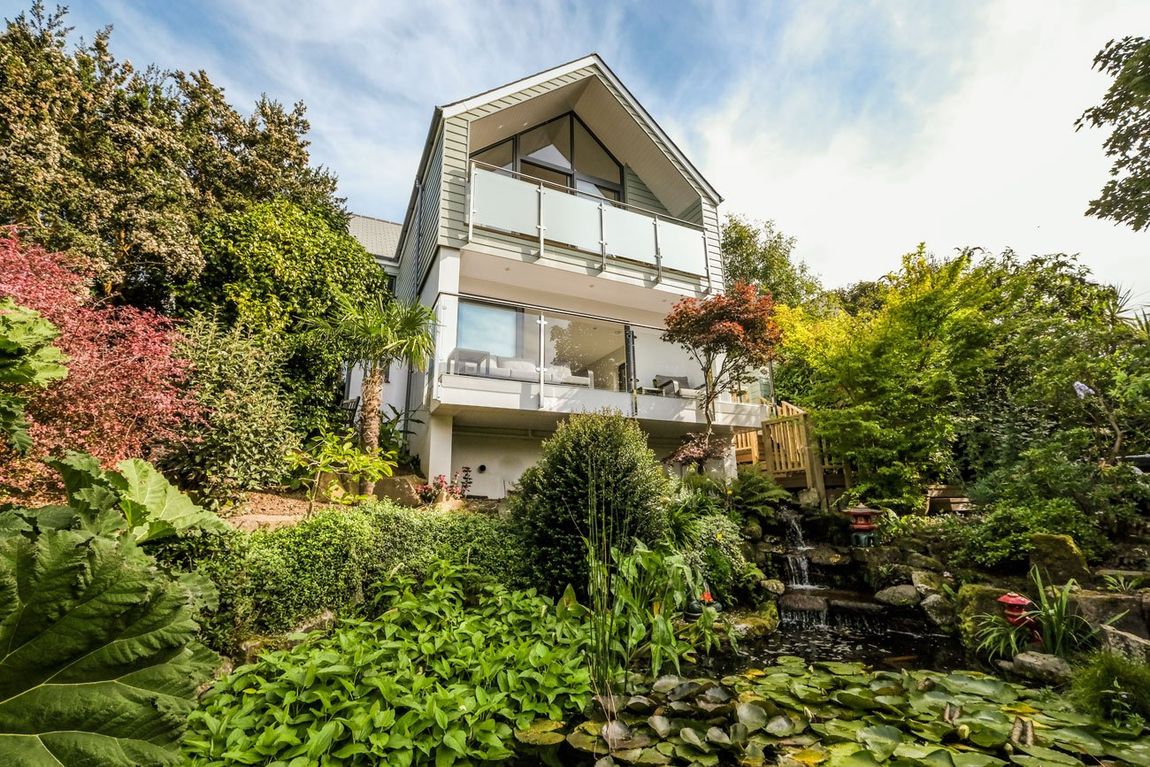
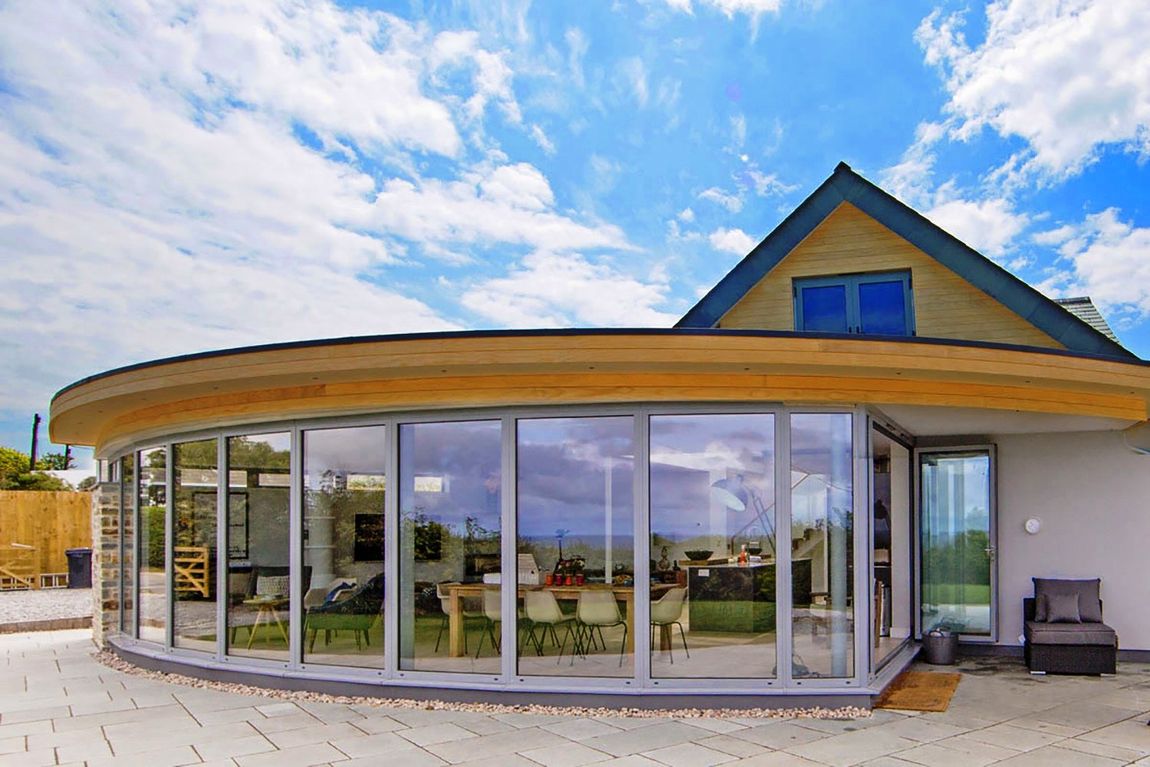
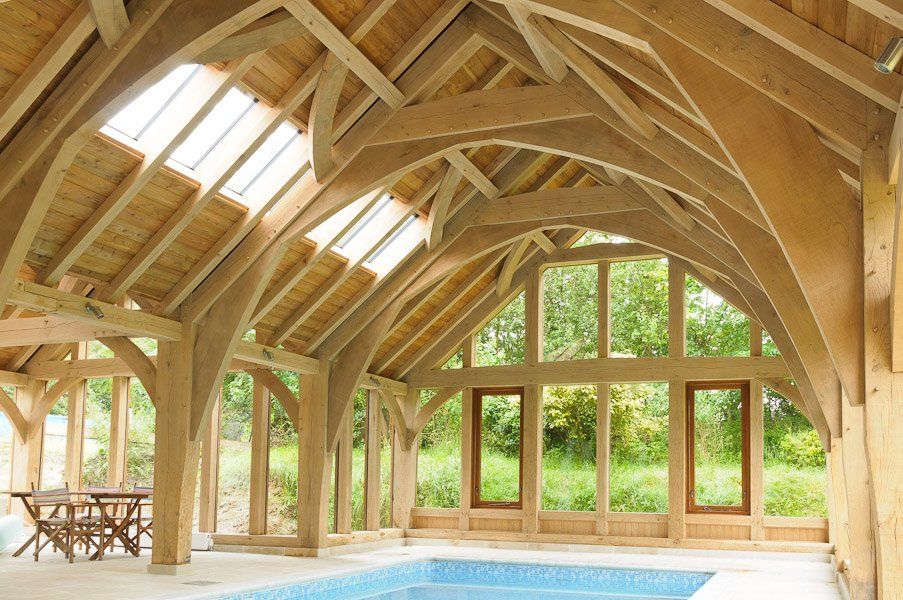
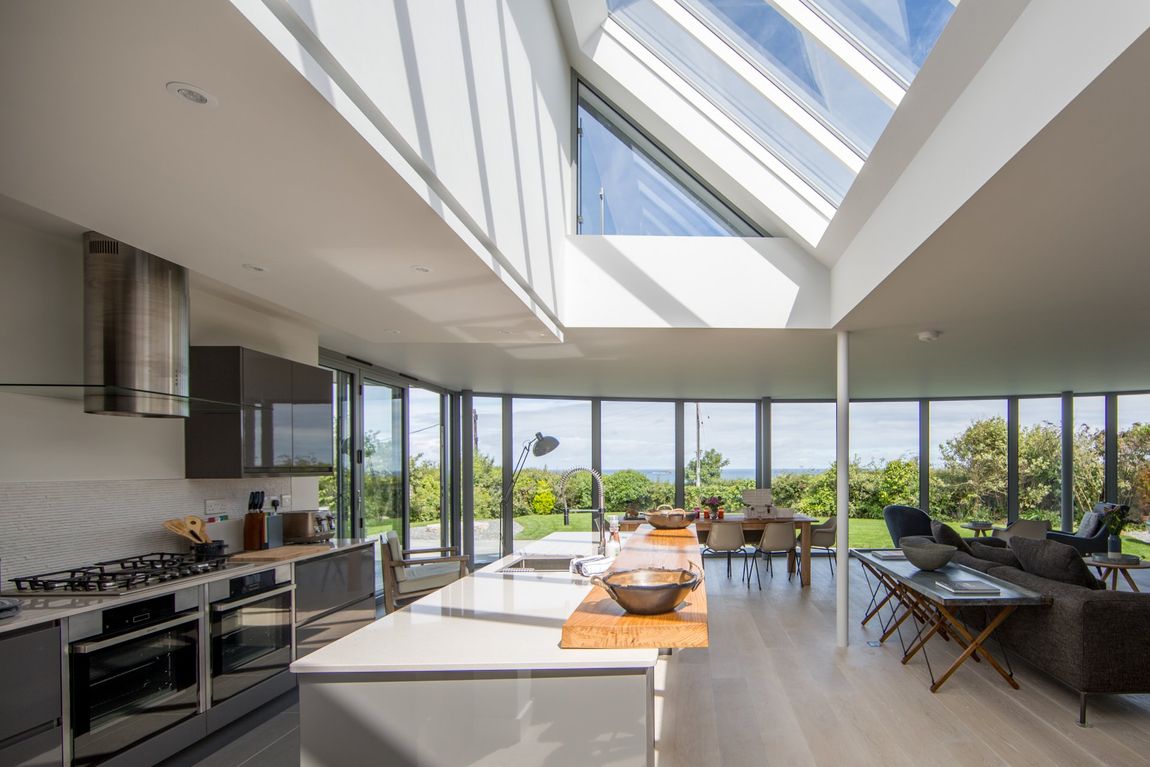
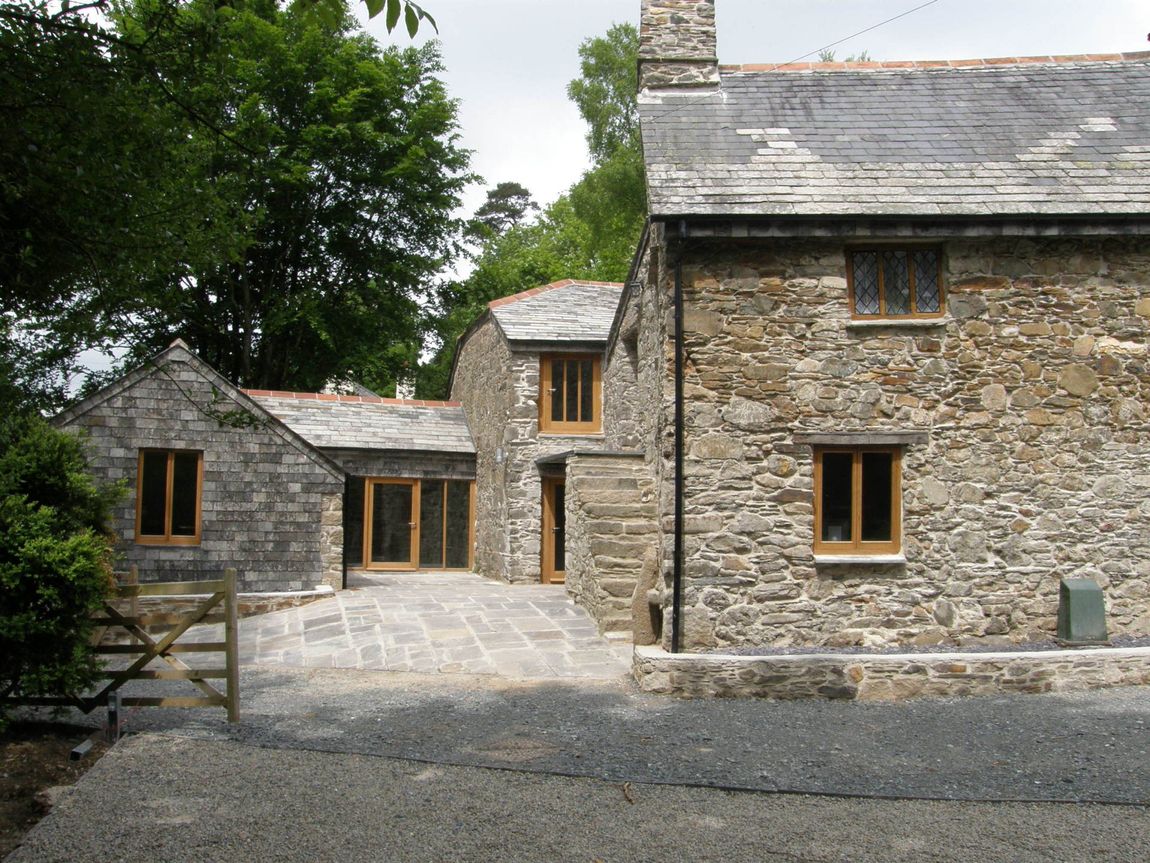
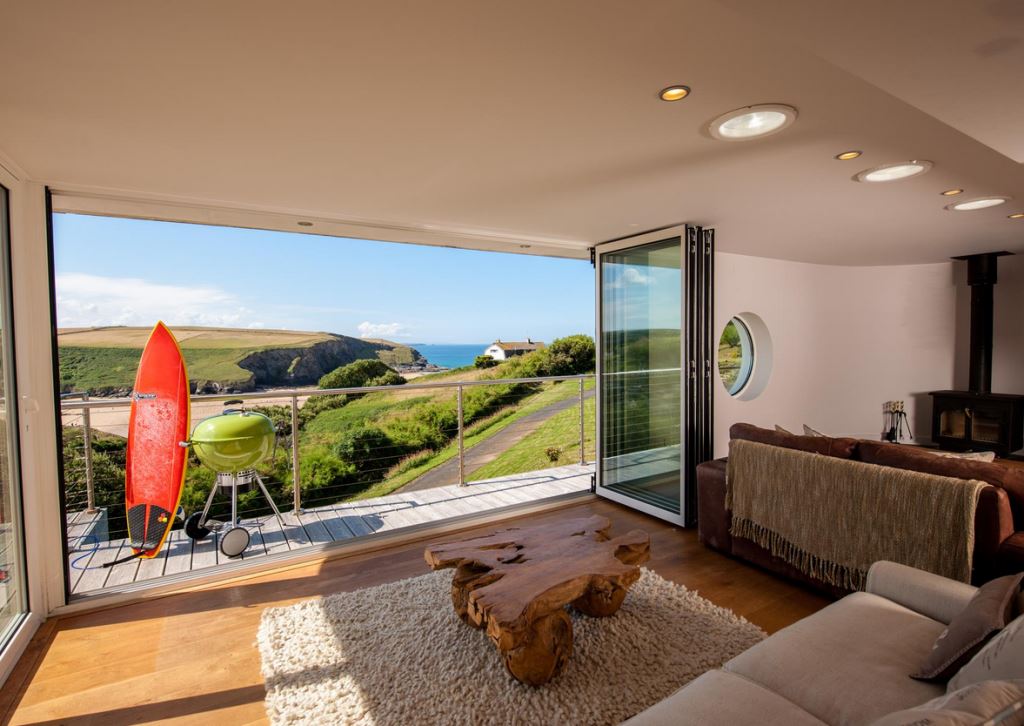
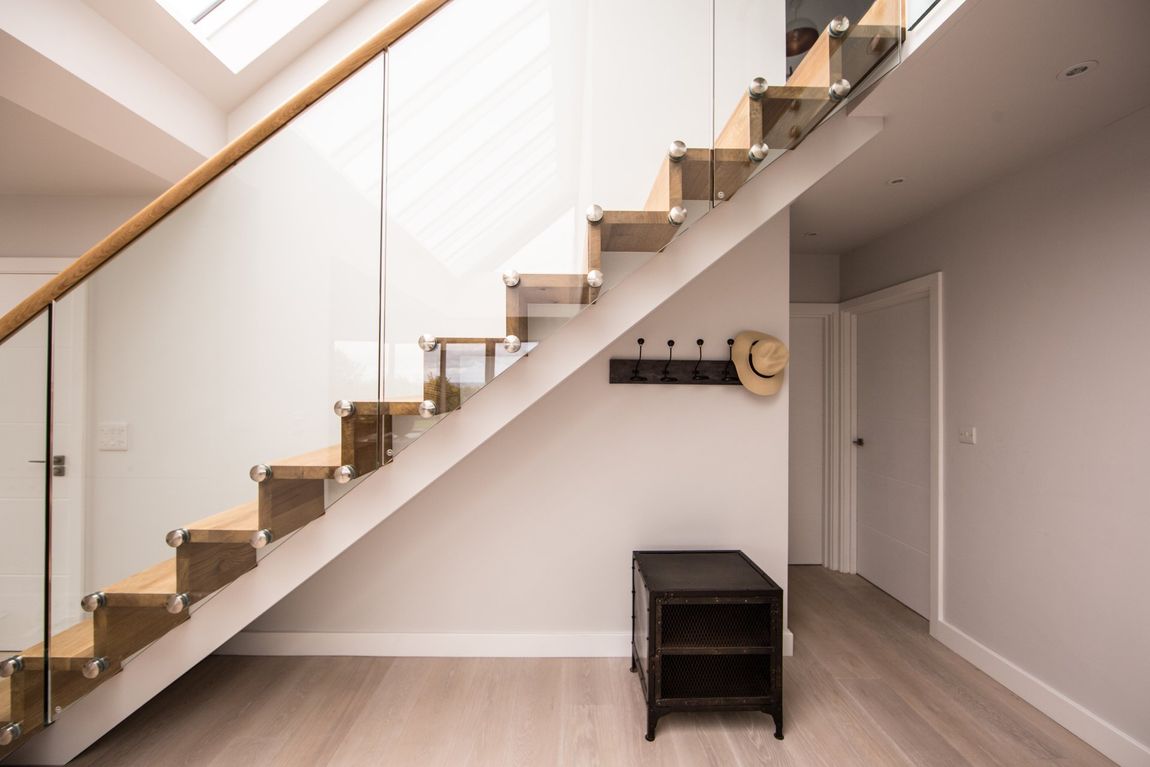
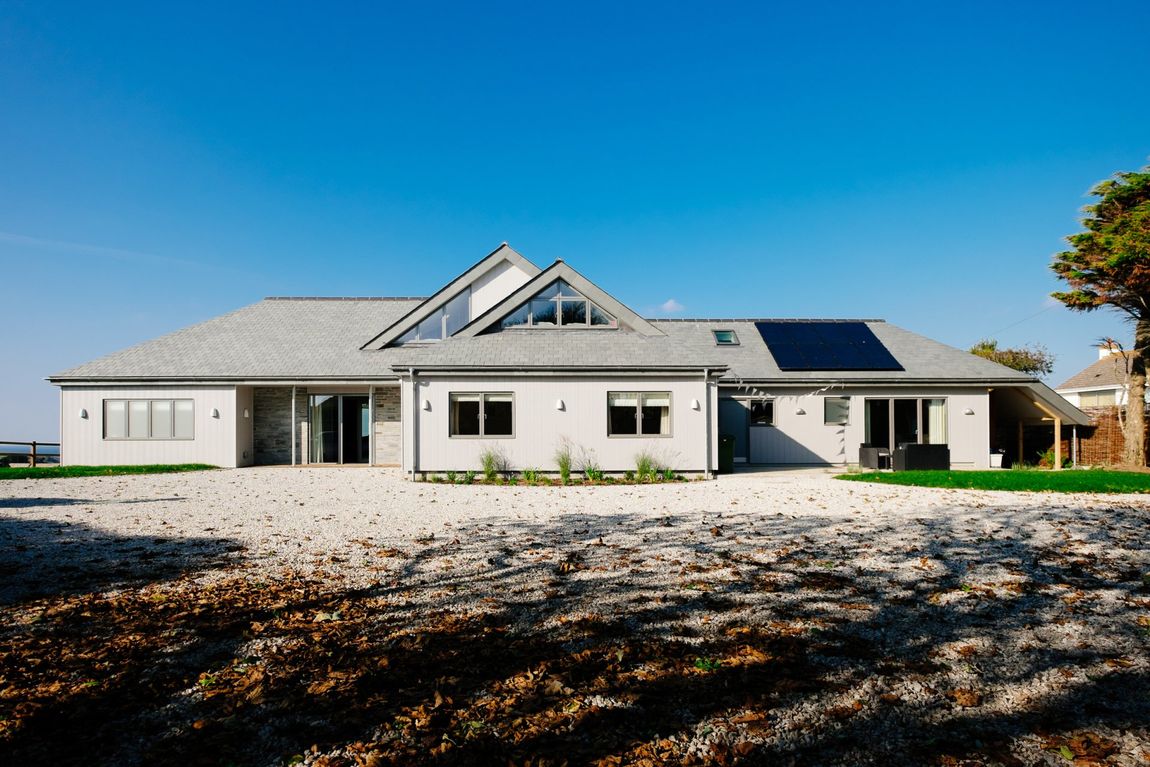
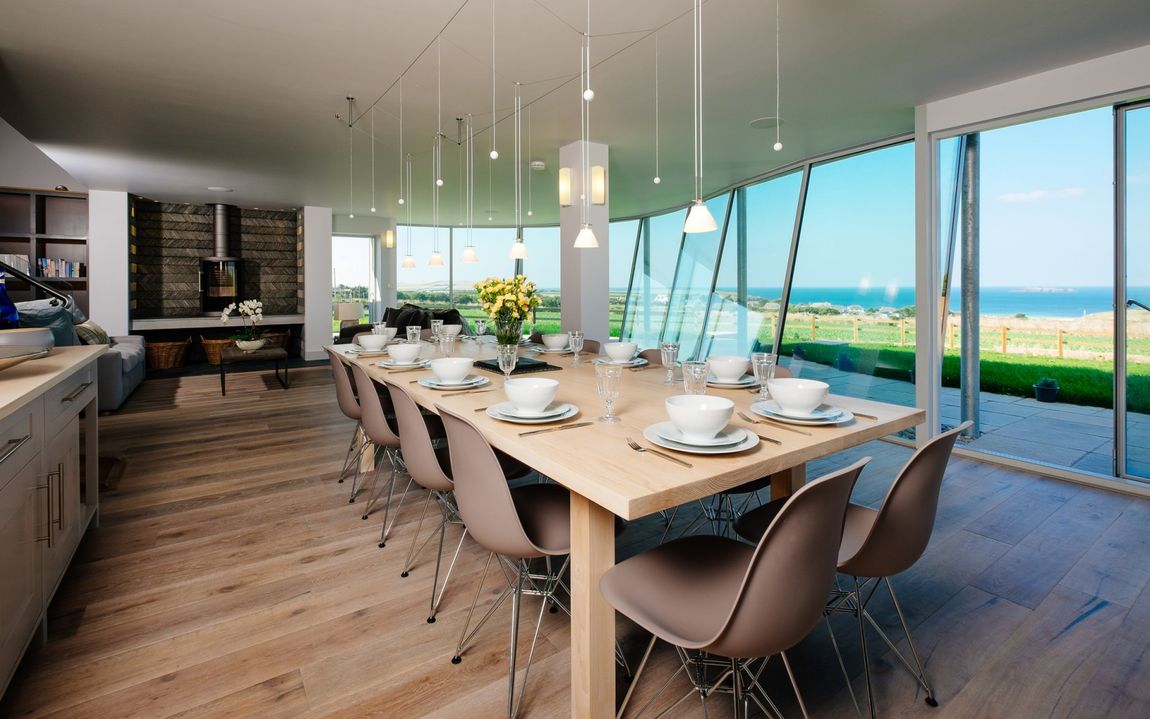
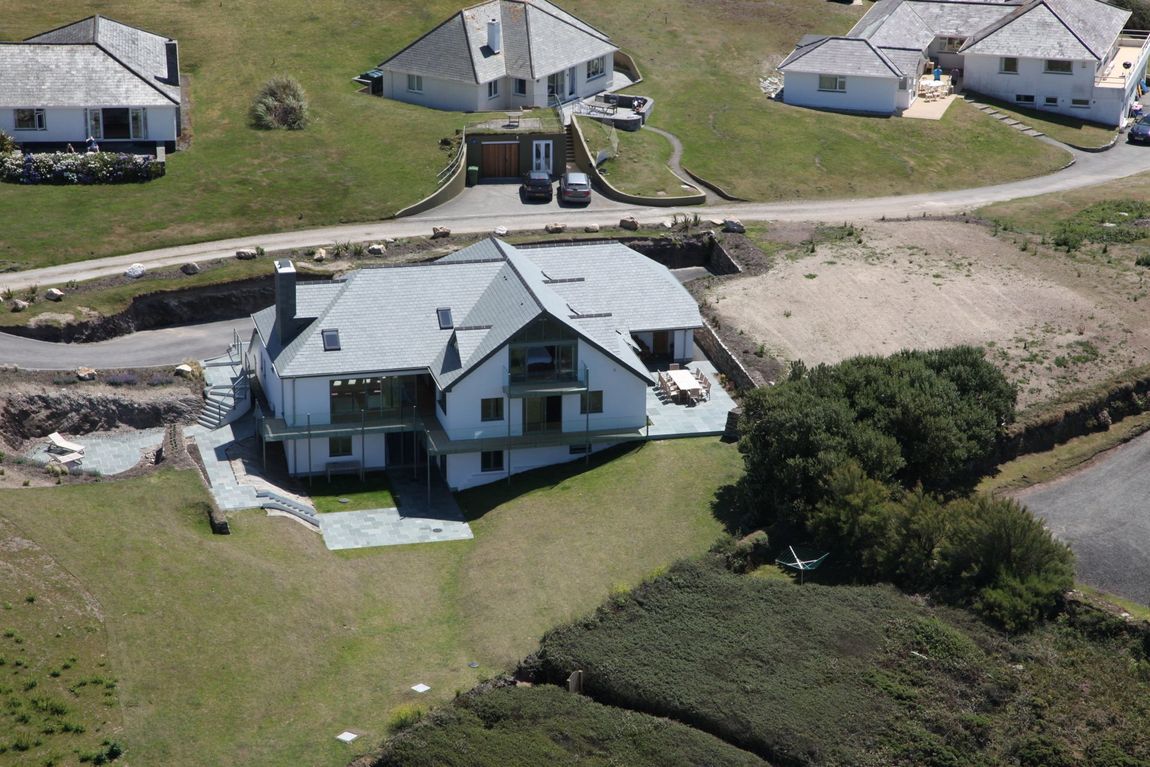
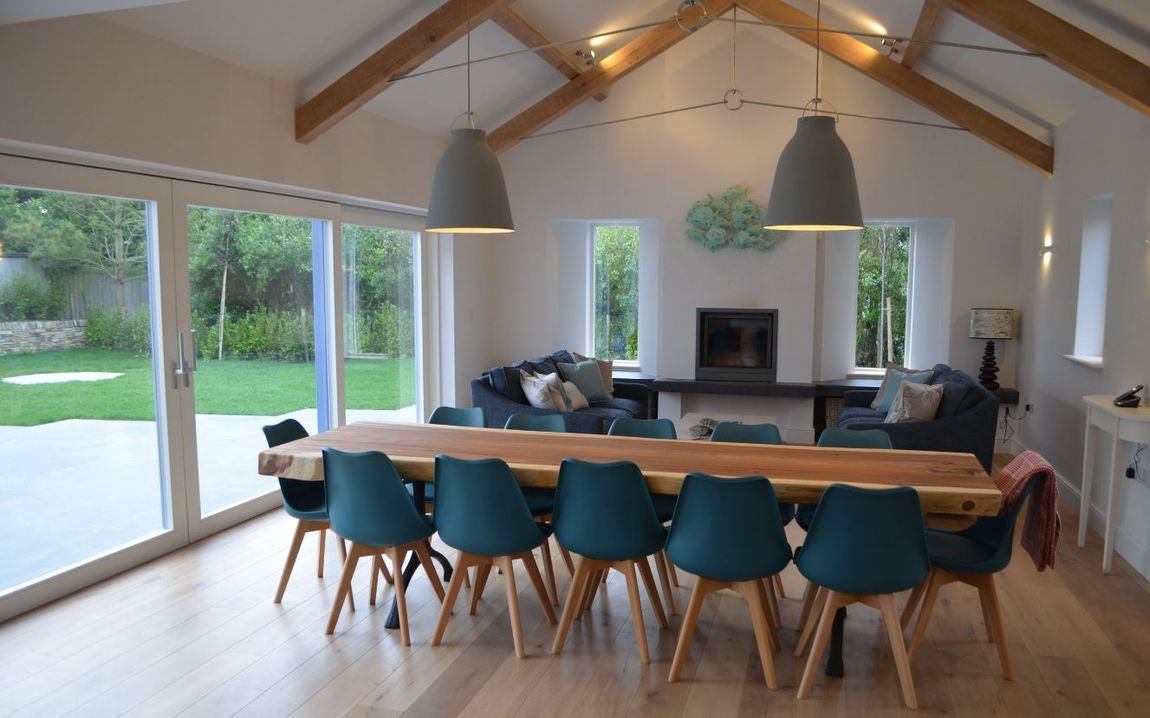
Experienced Chartered Architects working throughout Cornwall and Devon
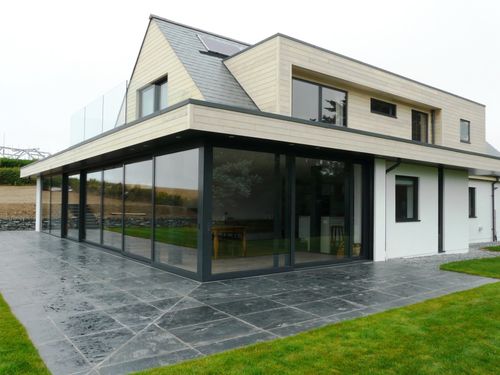
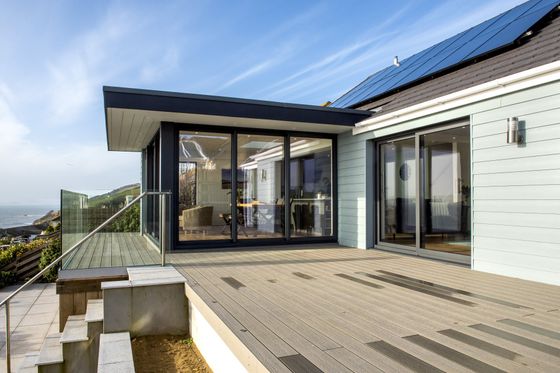
Building a new home, or any other structure is an intensely personal experience and should be embarked upon only with seasoned professionals by your side. The team at CFD Architects has a combined experience of more than 100 years, so you can rely on us for a seamless and enjoyable service.
Qualified architects at your service
At CFD Architects we are here to help you get the best value for your project, to help you spend your money wisely and in the right places, and to prevent unnecessary and expensive mistakes, all of which will save you money.
We offer an Architect on the Spot service if you require immediate answers as to how to extend or refurbish your home.
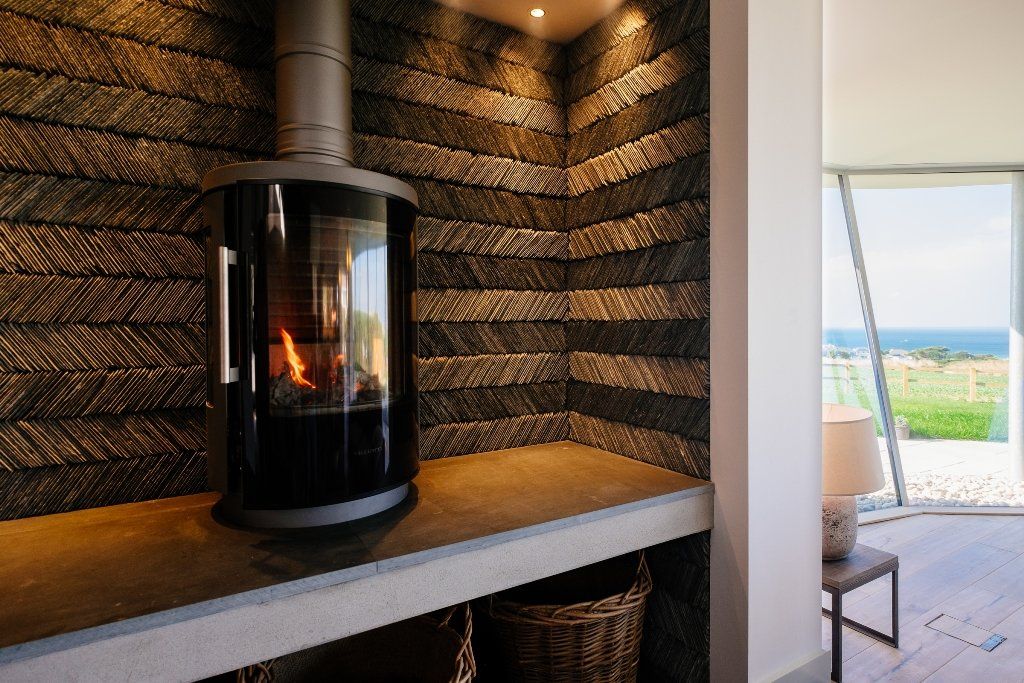
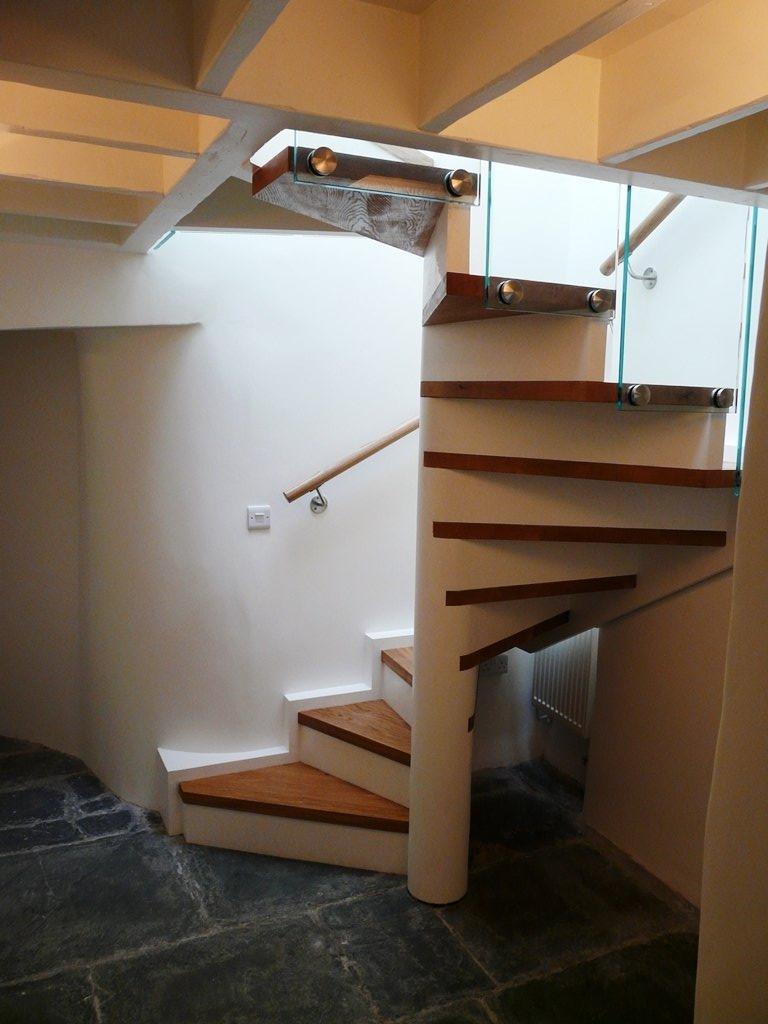
Good architecture is often humble and modest. It is about the good and efficient use of spaces and materials. This gives value. Add to this imagination and vision and you get quality architecture that will leave you knowing you have made the right choices.


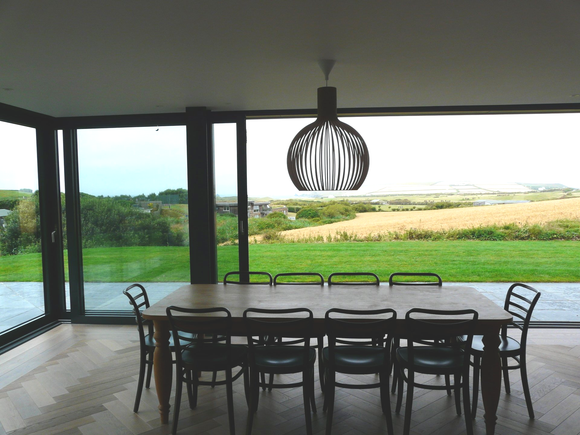
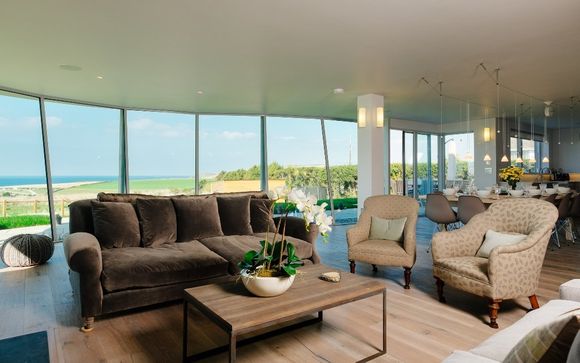
History
This practice has a long history dating back to John Sansom in 1885. We have archive drawings from his days, and subsequent principals. We also have a large collection of Henry Rice drawings from 1837 to 1864.
1885 – 1913 John Sansom
1913 – 1950 Herbert Reed Venning
1950 – 1978 George Vaughan Ellis
1978 – 2007 John Richard Wilks
2007 – present Andy Lolley
Contact us for:
- Building design
- Architectural services
- Building planning
- Refurbishment services
- Home extensions
- Barn conversions and developments
- Housing development
What our clients say

“CFD Architects had a good understanding of our concept for the house and produced a design incorporating modern living and standards within an external design which matched the surroundings.
We have been very happy with CFD Architect’s performance.”
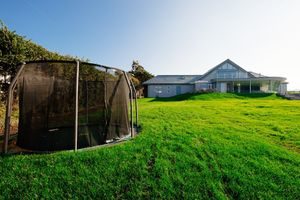
“We started with not much more than a weak design brief with some pictures of our family and Andy and then Paul were able to take that and turn it in to a really positive dialogue which ended some months later in our dream home.”
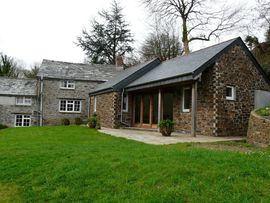
“We are delighted with how the extension has turned out. We enjoyed the design process and the final design is great in every way - both how it looks and fits in from the outside and the internal space which is very exciting. We enjoyed working with CFD Architects”
For exceptional architectural services in Saltash, email CFD Architects today



Share
LOCATION
CFD Architects,
18 Belle Vue Rd, Saltash,
PL12 6ES
OVERVIEW
REVIEW

© 2024. The content on this website is owned by us and our licensors. Do not copy any content (including images) without our consent.